How to launch an off-plan development without looking like every other launch
Renders all look alike and buyers decide in seconds. A practical launch structure for developers who need a project to feel inevitable before a unit is seen.
Agency Verse··3 min read
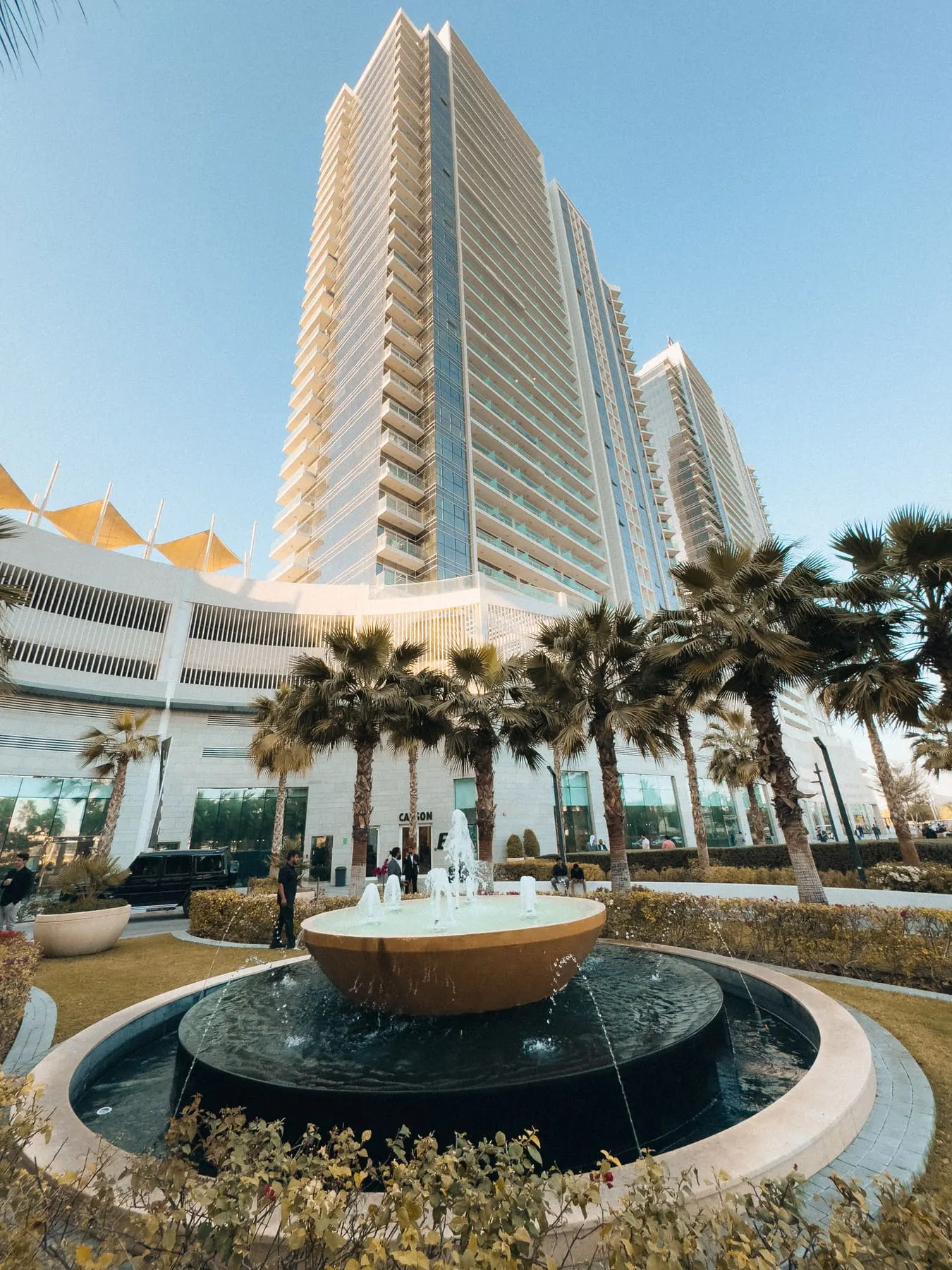
Scroll through a week of property launches and they blur into one: the same aerial pull-back, the same glass-and-sunset renders, the same "luxury redefined" line. When everything looks the same, buyers compare on the only thing left — price and payment plan. The developments that escape that trap don't spend more. They decide earlier what the project stands for, and they make every asset say it.
Sell the morning, not the floor plan
Square metres and amenity lists are table stakes; every competing launch has them. What a buyer is actually choosing is a version of their life — the walk to the water, the quiet of the terrace, the school run, the view at the end of the day. The strongest launches pick one of those and own it.
Before any shoot is booked, write a single sentence that finishes "Living here means…". If the sales team, the agents, and the creative team can't all repeat it, the campaign will drift back to generic.
Build one asset system before launch day
Launches usually commission assets one at a time: a film for the event, then photos for the brochure, then reels when social goes quiet. Each one is briefed separately, so they never look like the same project. Plan them as one system instead, shot from one creative direction:
- A hero film (60–90 seconds) for the launch event, the sales gallery, and paid media.
- Vertical reels cut per unit type and per buyer — investors and end-users want different things.
- Lifestyle and location photography that shows the neighbourhood, not just the building.
- CGI and 3D for what doesn't exist yet, lit and graded to match the filmed footage.
Blending CGI with real footage of the location and the lifestyle is what stops an off-plan project feeling like a render. The building can be imagined; the morning light on the marina is real.
Give every agent the same kit
In most launches, brokers end up making their own content — screenshots of the brochure, phone videos at the show apartment, captions in a dozen different voices. The project's presence fragments the moment it leaves the developer's hands. A shared agent kit — approved reels, stills, captions, and a one-page story — keeps the positioning intact across every channel you don't control.
Let the enquiry path do the qualifying
Attention is the expensive part. Don't waste it on a homepage. Send launch traffic to a dedicated page with one job: turn interest into a qualified conversation.
- One clear next step — book a viewing, or request the brochure.
- A gated brochure that asks two or three qualifying questions (budget, timeline, investor or end-user).
- Routing so enquiries reach the right person within minutes, with automatic follow-up if nobody replies.
An eight-week launch rhythm
- 01Weeks 1–2: positioning, the "living here means" line, and the shot list.
- 02Weeks 3–4: production — location days, lifestyle talent, and the CGI build in parallel.
- 03Weeks 5–6: edit, colour, the reel system, the landing page, and the agent kit.
- 04Week 7: soft launch to the existing database and agents; fix whatever confuses people.
- 05Week 8: public launch across paid and organic, with enquiries routed and tracked from day one.
When the product is still a plot of land, presence is the product. Treat it with the same care as the architecture.
None of this needs a bigger budget than a typical launch. It needs the decisions made in the right order — position first, then production, then the path to a conversation.